China Removes Tariffs on African Exports Across 53 Countries
On May 1, 2026, China began zero-tariff access for all 53 African countries with diplomatic ties, covering 100% of tariff lines and expanding trade access until April 30, 2028 for 20 non-LDC states.

Author
Editors
Published
May 10, 2026
Read Time
4 min read
Views
—
Zero tariffs do not automatically create successful trade. China’s new zero‑tariff policy for Africa officially started on May 1, 2026. The announcement sounds enormous because the numbers are enormous. Beijing has removed import duties on 100% of tariff lines for all 53 African countries that maintain diplomatic relations with China. Only Eswatini remains outside the arrangement because of diplomatic ties with Taiwan.
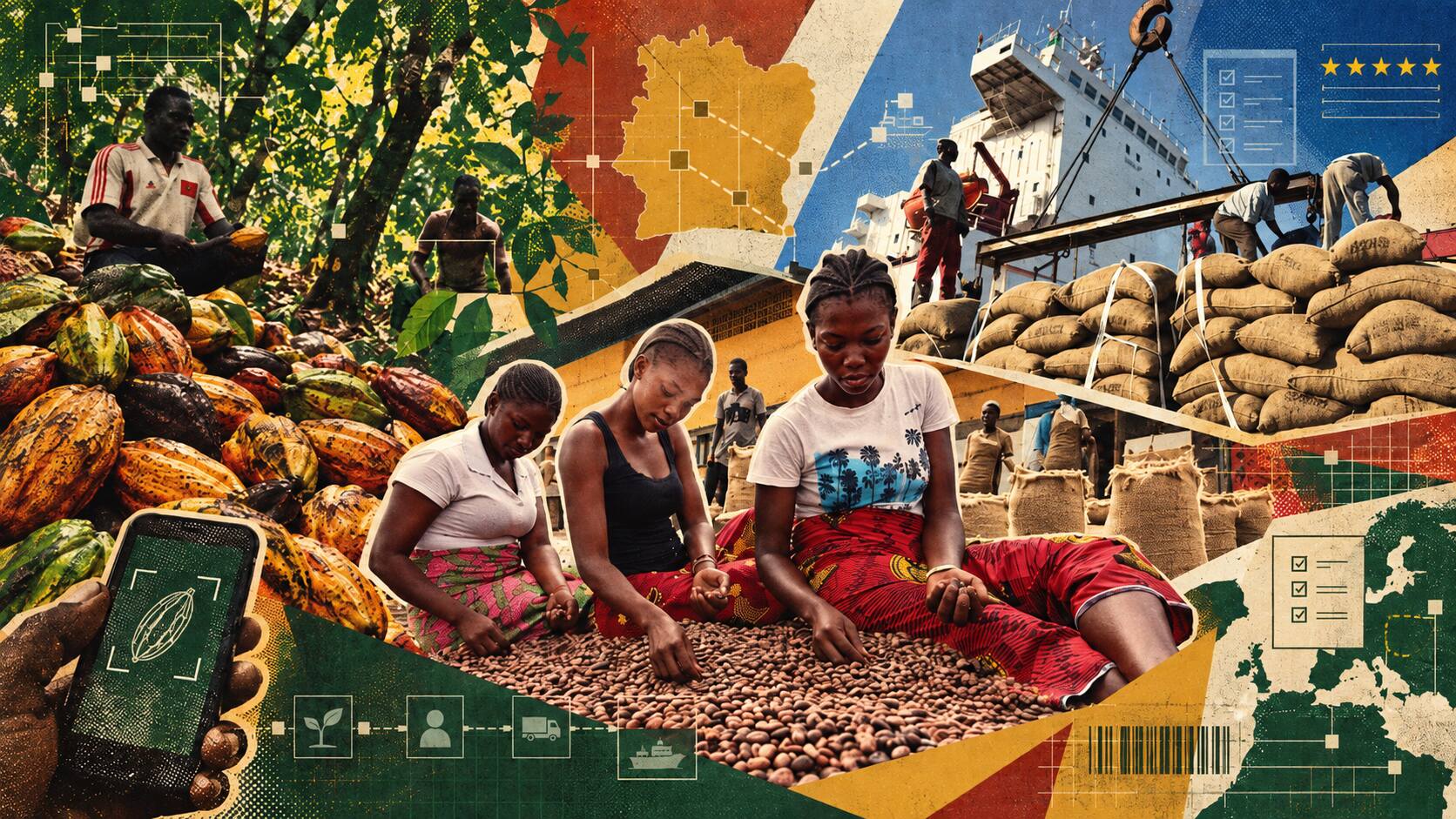
The policy covers almost everything entering China from Africa. Cocoa from Côte d’Ivoire and Ghana. Coffee and avocados from Kenya. Citrus fruits and wine from South Africa. Sesame, ginger, cashew, textiles, minerals, and processed goods from Nigeria and other exporters. China says African countries can continue charging tariffs on Chinese goods while China cuts its own to zero. The arrangement runs until April 30, 2028, for the 20 non least developed African countries, including Nigeria, Kenya, Egypt, and South Africa. Chinese officials want a future China-Africa Economic Partnership for Shared Development agreement to make the arrangement permanent.
Many headlines framed the announcement as a breakthrough for African trade. Some parts genuinely are.
Twenty-four tonnes of South African apples entered Shenzhen Port on May 1 under the expanded scheme. Customs systems moved quickly. Trade channels opened immediately. Kenya’s avocado exporters welcomed the decision. Ghana and Côte d’Ivoire expect stronger cocoa exports. Nigeria wants to expand sesame and cashew exports into Chinese markets.
Yet another story sits beneath the celebration. A small agro processor in Ashaiman Industrial Zone near Accra still struggles to afford internationally approved packaging. A sesame exporter moving goods through Apapa or Tincan ports in Lagos still faces delays and documentation bottlenecks that can wipe out the savings created by zero tariffs. Farmers linked to Makerere Agri Business Park in Kampala may produce quality crops yet still fail Chinese sanitary and phytosanitary checks because certification systems remain weak or expensive.
Zero tariffs remove one barrier. Many others remain firmly in place. China’s standards still apply. Labelling rules still apply. Inspection systems still apply. Exporters still need traceability systems, testing labs, hygiene certification, bonded warehouses, trade finance, and reliable shipping schedules.
Large exporters will likely move first because they already understand compliance systems and export documentation. State-linked companies and firms operating inside industrial parks already have infrastructure and institutional support. Smaller producers may watch the opportunity pass by from the sidelines.
That gap becomes clearer in Ethiopia. Hawassa Industrial Park has spent years building export systems around industrial production. Government-backed infrastructure, bonded customs facilities, testing labs, vocational training, and logistics support already exist around the park. Chinese textile manufacturers operating there can scale exports faster because the ecosystem around production was designed for export readiness from the beginning.
Many SMEs operating in Kampala or Accra work inside fragmented systems with unstable electricity and weak export financing. One side prepares goods for international shelves. The other side still struggles to move products efficiently from factory gates to ports.
China’s policy also carries geopolitical weight. Beijing has spent two decades expanding tariff preferences for African countries. China started gradually increasing zero-tariff access for the least developed countries from 2005, before extending full coverage to 33 African LDCs on December 1, 2024. February 2026 brought the next expansion after President Xi Jinping announced that all 53 African countries tied diplomatically to Beijing would receive the same treatment starting May 1, a trajectory traced in earlier trade analyses.
Timing matters here. The move arrived while the United States and several Western economies moved deeper into protectionist trade policies affecting countries like South Africa and Angola. China positioned itself differently, presenting access to its market as part of a broader “shared development” strategy tied to South-South cooperation.
Trade access alone, however, does not automatically produce industrial growth.
African countries have exported raw commodities for decades. Lower tariffs could simply increase the flow of unprocessed products into China if governments fail to support value addition locally. A cocoa-producing country exporting raw beans gains far less than one exporting finished chocolate or processed ingredients. The same applies to textiles, minerals, coffee, and agricultural products.
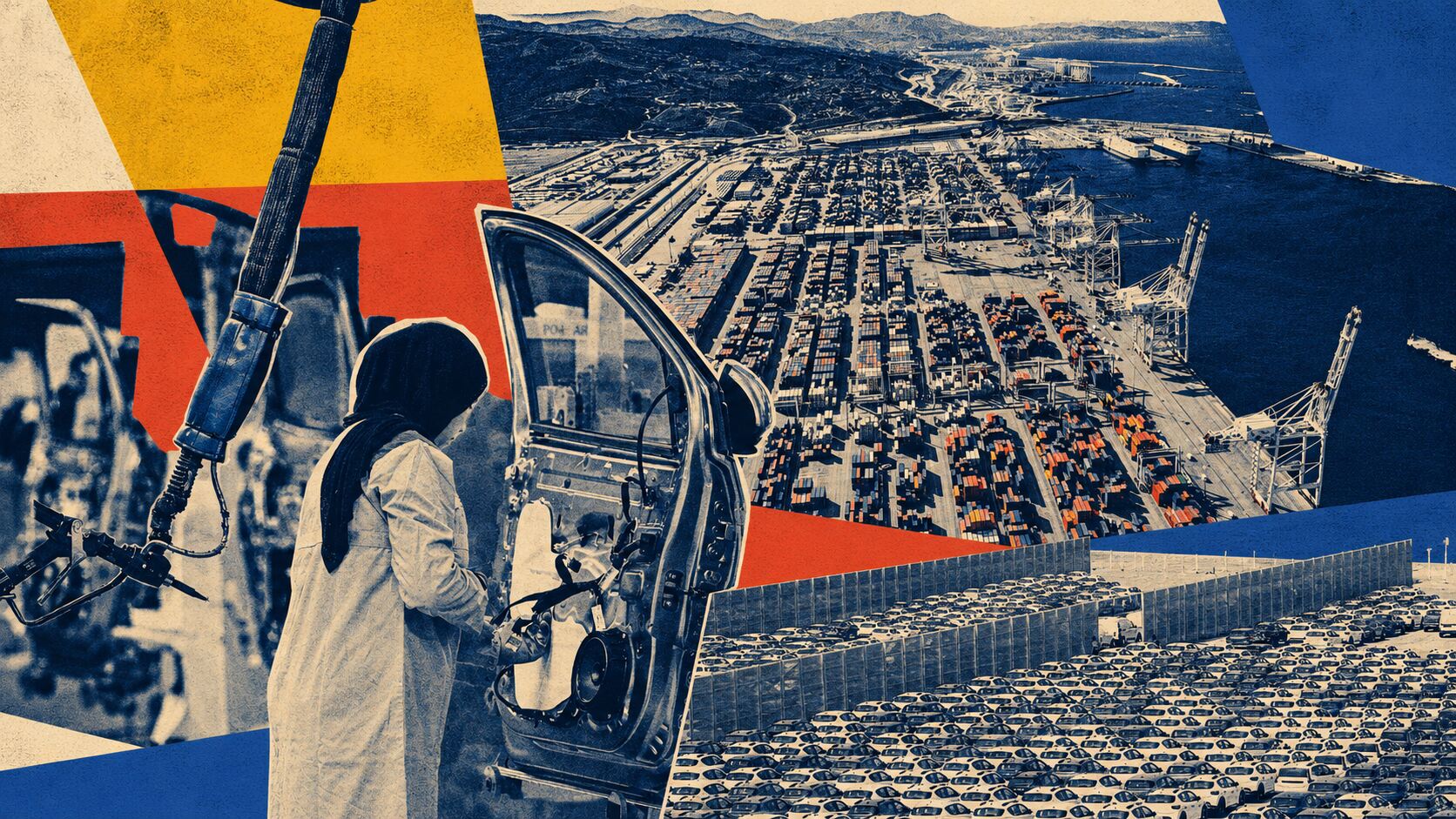
Port infrastructure now matters as much as tariff policy. Testing laboratories matter. Packaging matters. Access to export finance matters. A farmer growing quality avocados outside Nairobi gains little if the produce spoils before reaching Mombasa Port.
Some governments are already moving. China has promised faster customs clearance through “green channels” and established a dedicated trade facilitation hub in Changsha, Hunan to support African exporters with logistics and phytosanitary coordination. South Africa and Kenya are promoting agro exports aggressively under the new system. Nigeria and Côte d’Ivoire want stronger standards and packaging support for exporters.
African governments now face a harder task. Trade ministries can no longer treat export readiness as paperwork alone. Export readiness starts inside industrial zones, laboratories, and transport corridors.
The bigger lesson from China’s zero-tariff policy may have little to do with tariffs themselves.
Africa has spent years demanding market access. China has now opened the door wider than any major economy has before for the continent. The next question sits entirely on the African side of the equation. Who is actually ready to walk through it?
Written By

The Trending Desk delivers timely headlines and insights on the stories shaping Africa's future.
Filed Under
Region:
Countries:
Series:
World Days:
How helpful was this story?